
Exploring the evolution of gambling throughout history
Origins of Gambling in Ancient Civilizations
The history of gambling can be traced back thousands of years, with evidence of betting practices appearing in ancient civilizations. Archaeological findings indicate that the Chinese were engaged in gambling activities as early as 2300 BC. They used rudimentary forms of dice made from animal bones, which served as precursors to modern-day gaming. Similarly, in ancient Egypt, games of chance were popular, often linked to religious beliefs and practices. In this context, many turned to resources such as bitcoin casino platforms to explore their luck. This early interaction with gambling laid the groundwork for its future development.
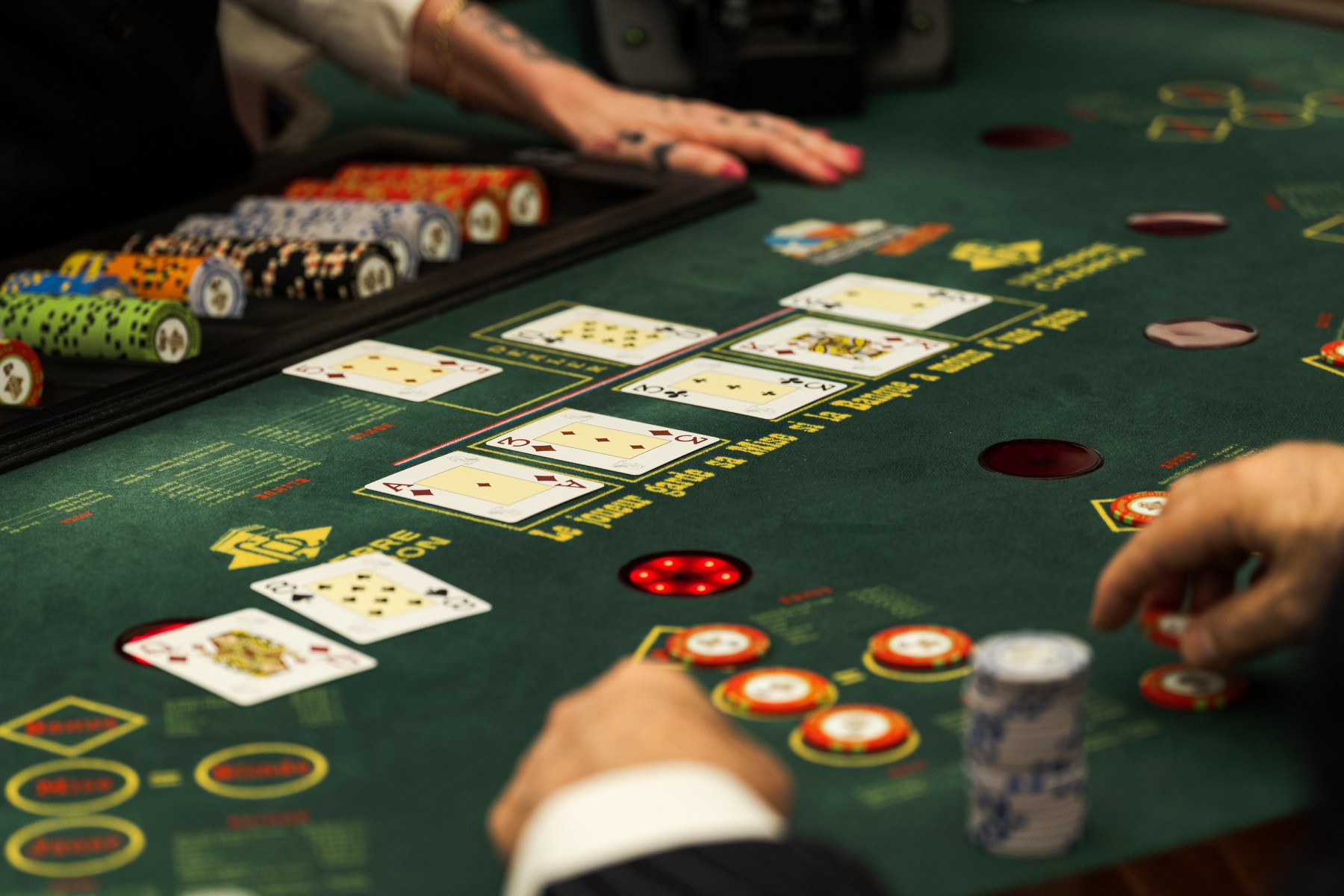
In addition to China and Egypt, other cultures also embraced gambling. The Romans utilized dice games, and records show that emperors were known to indulge in betting. The Greeks, too, had a rich gambling culture, with various games being played in public spaces. These early examples demonstrate that gambling was not only a form of entertainment but also a reflection of societal values and norms during these periods.
The Middle Ages and Gambling Regulation
The Middle Ages brought about significant changes in gambling practices, coinciding with the rise of feudalism and the church’s influence on daily life. During this period, various forms of gambling, including card games and betting on tournaments, gained popularity among the nobility. However, the church frequently condemned these activities, associating them with sin and moral decay. As a result, many governments began to regulate or even ban gambling, creating a dichotomy between enjoyment and prohibition.
Despite the restrictions, gambling continued to thrive in secret. This era saw the birth of many modern gambling games, including the first standardized deck of playing cards, which played a crucial role in the evolution of card games. The tension between regulation and popularity during the Middle Ages set the stage for the eventual acceptance of gambling as a legitimate form of entertainment in later centuries.
The Renaissance: A Turning Point for Gambling
The Renaissance marked a pivotal moment in the history of gambling, as cultural shifts and increased trade contributed to the spread of gambling across Europe. This period saw the development of more sophisticated games and betting practices, particularly with the rise of casinos in Italy. The first public gambling house, known as the Ridotto, opened in Venice in 1638, providing a regulated environment for gamblers and signifying a move towards institutionalized gambling.
During the Renaissance, gambling began to garner a more favorable reputation, as it became associated with social gatherings and elite leisure activities. Writers and artists celebrated gambling in their works, further embedding it into the cultural fabric of the time. This evolution facilitated the transition from informal gambling in private spaces to a more organized approach, which would become increasingly popular in the centuries that followed.
The Modern Era: Technology and Globalization in Gambling
The 19th and 20th centuries witnessed monumental changes in the gambling landscape, driven by technological advancements and globalization. The invention of the telegraph and later the internet revolutionized how people engaged with gambling, making it more accessible than ever before. The introduction of slot machines and roulette games in casinos attracted a broader audience, and gambling became a significant industry across many parts of the world.
Moreover, the legalization of gambling in various jurisdictions led to the establishment of major gaming hubs, such as Las Vegas and Monte Carlo. The rise of online gambling in the late 1990s further transformed the industry, allowing individuals to gamble from the comfort of their homes. This digital shift not only expanded the reach of gambling but also raised important discussions around regulation and responsible gaming, shaping the future of gambling practices.
Conclusion and the Future of Gambling
As we reflect on the rich history of gambling, it is evident that the practice has evolved significantly over time, adapting to cultural shifts, technological advancements, and societal attitudes. Today, gambling is a global phenomenon that encompasses a wide range of activities, from traditional casinos to online platforms. With ongoing changes in technology and legislation, the future of gambling remains dynamic and uncertain.
This website aims to provide insightful content on the evolution of gambling, exploring its rich history and its implications in contemporary society. By understanding where gambling has come from, we can better appreciate its place in our lives today and the potential directions it may take in the future.